Project Details

Awareness Campaign

  • Raised Funds

    45%
  • 46Raised
  • 56 (Goal)

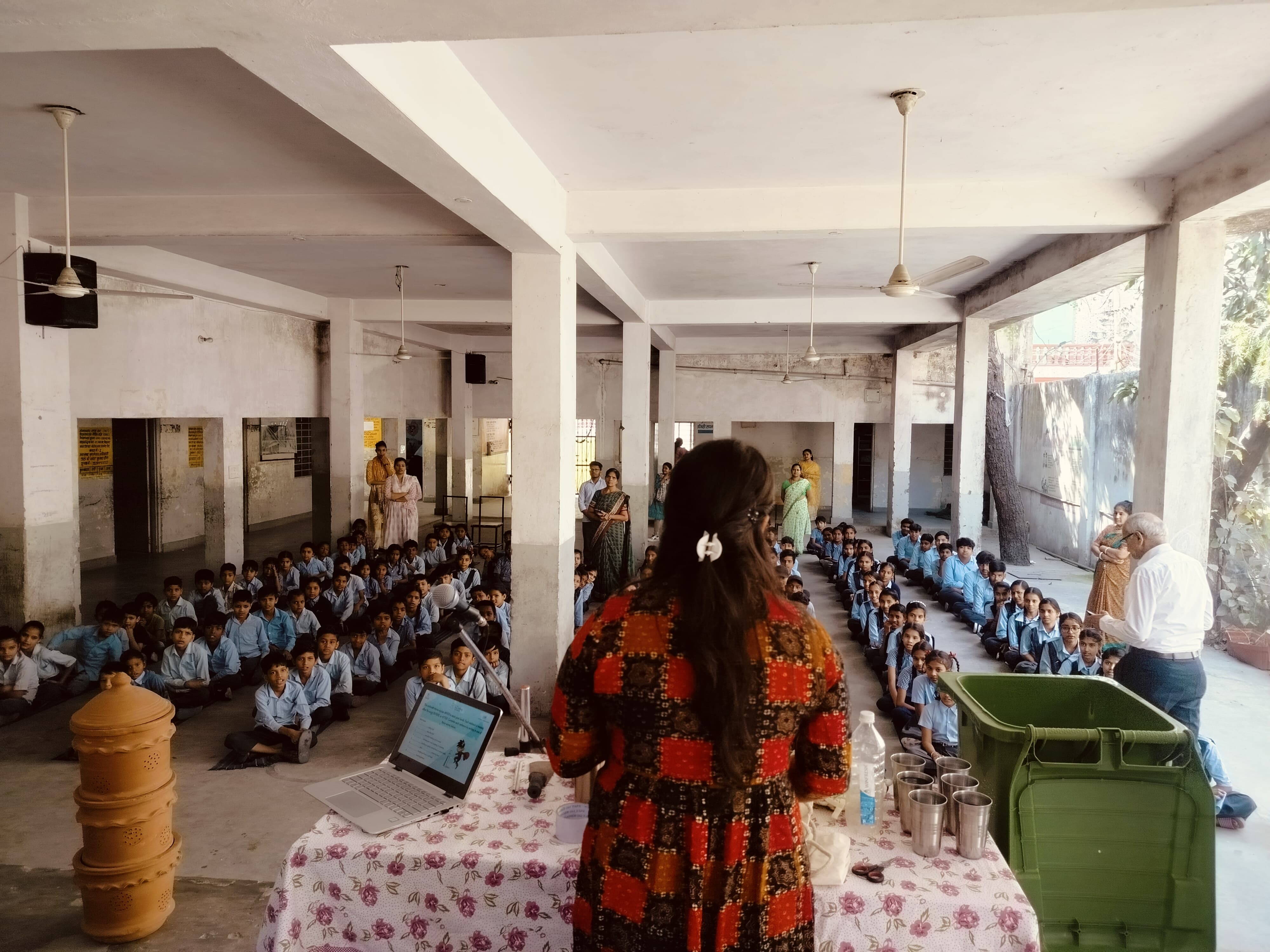
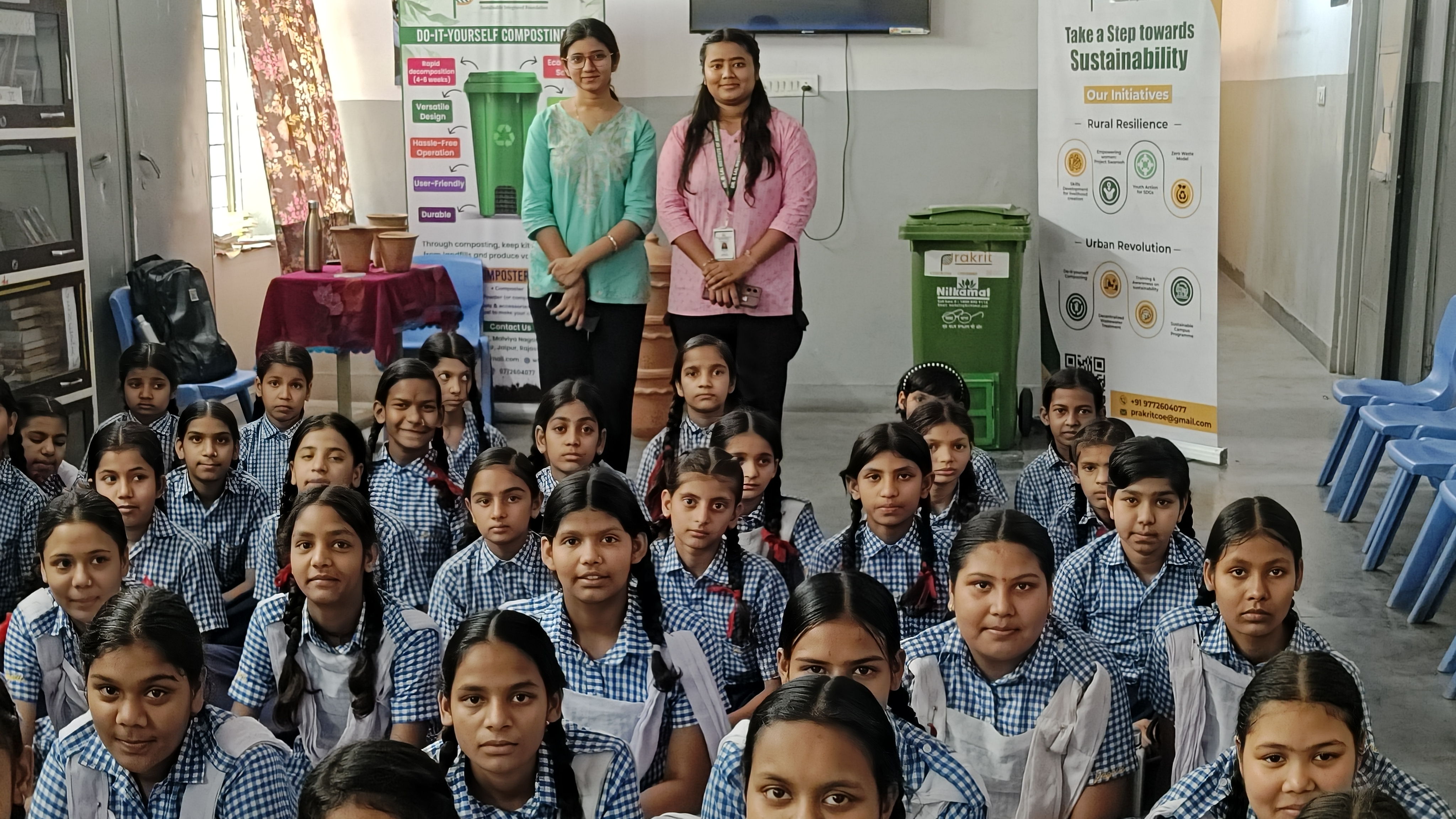
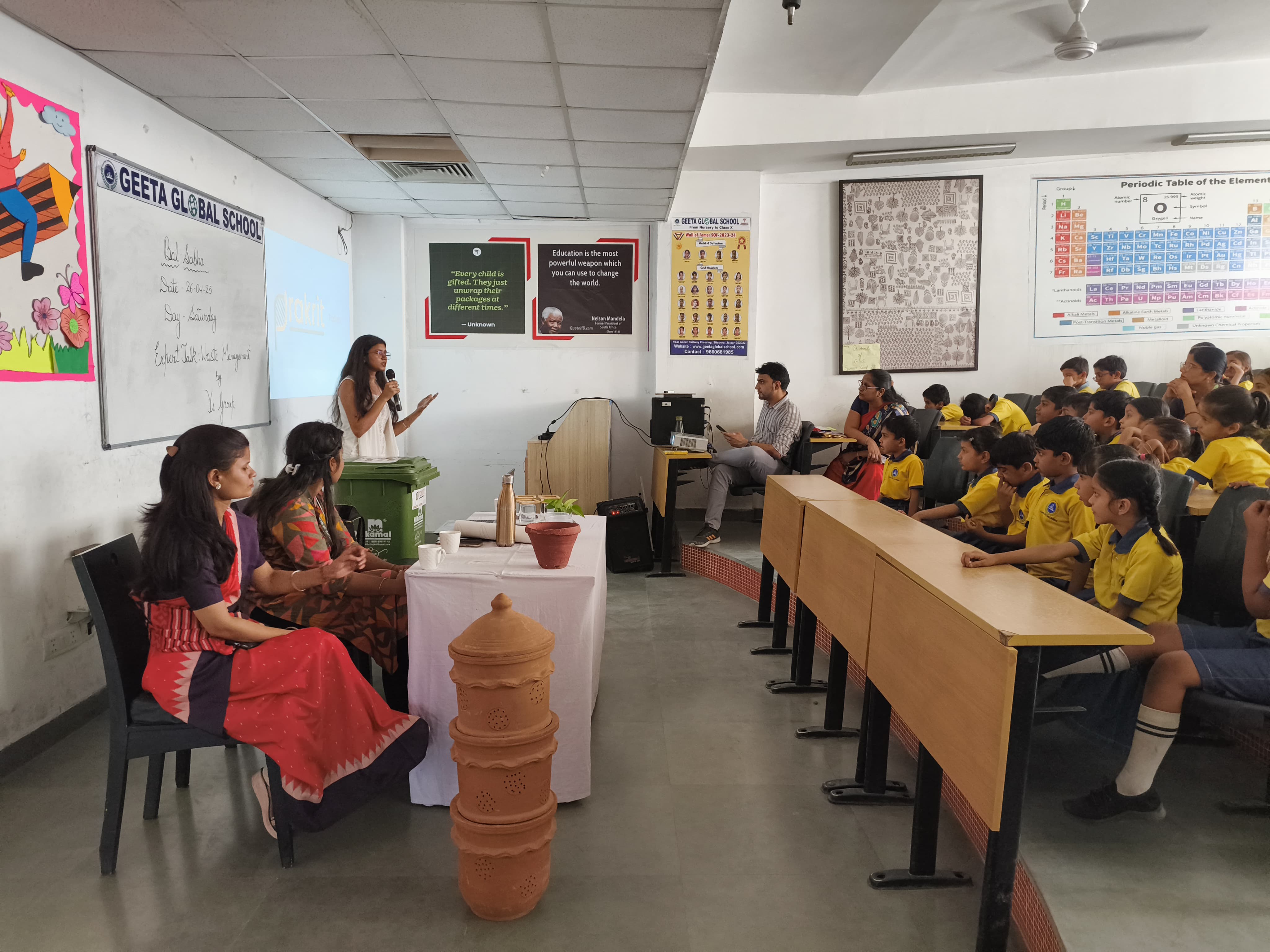
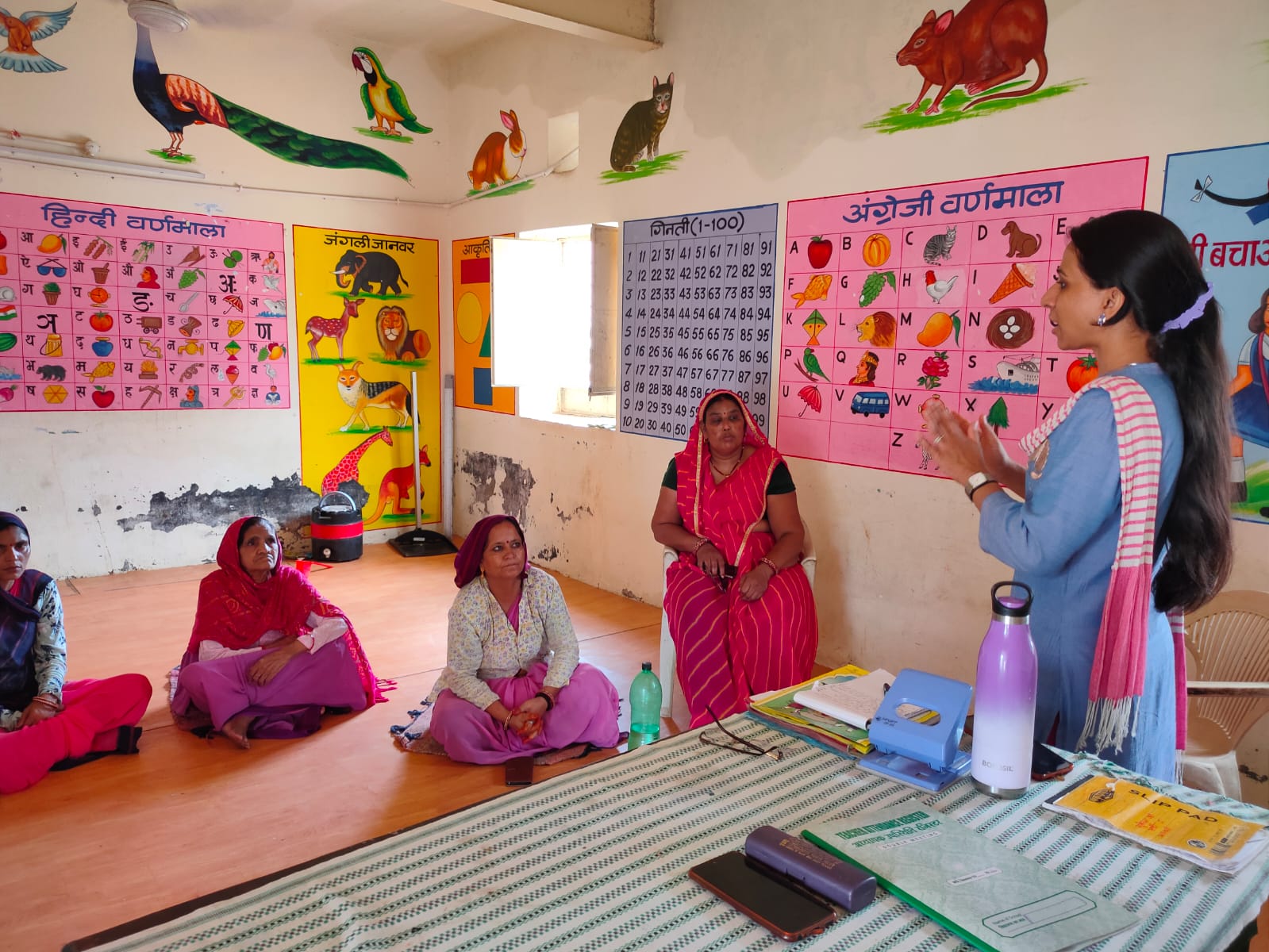
Awareness is the first step toward transformation. The Awareness Campaigns are designed to educate, engage, and empower communities—especially youth—to adopt sustainable lifestyles and take informed action for the environment. These campaigns foster a culture of environmental responsibility through creative communication, participatory events, and on-ground activities.

Objectives

Promote Environmental Literacy: Bridge the knowledge gap about sustainability, climate change, and waste management.

Mobilize Communities: Encourage collective action by engaging residents, students, institutions, and local authorities.

Foster Behavioral Change: Use interactive tools and real-life examples to inspire long-term shifts in daily habits.

Support SDG Implementation: Align all campaigns with the United Nations Sustainable Development Goals (SDGs).


Campaign Themes

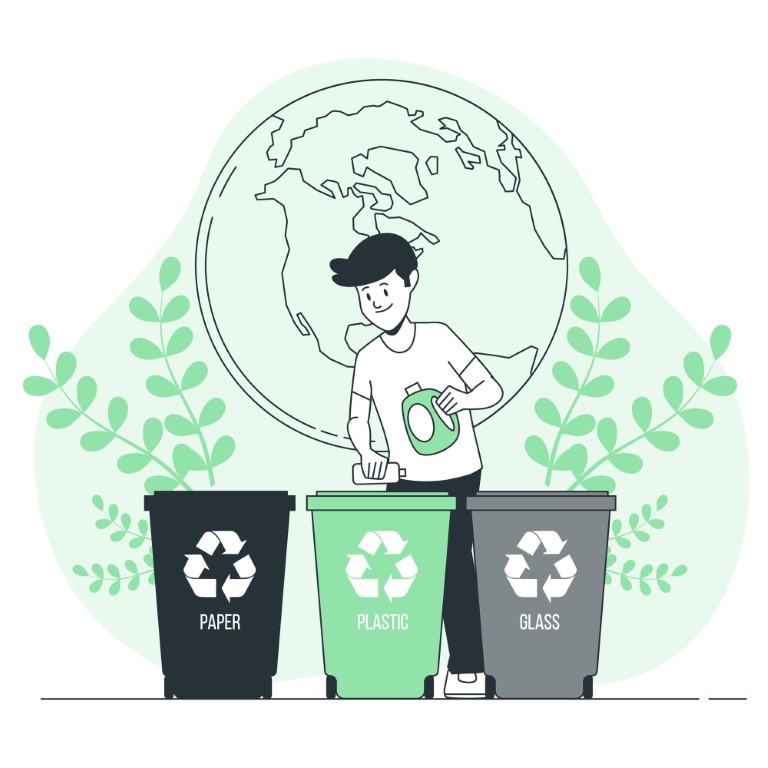
Waste to Resource: Promoting waste segregation, home composting, and circular economy principles.

Climate Action Now: Educating communities on climate change impacts and simple mitigation strategies.

Plastic-Free Living: Spreading awareness about the harms of single-use plastics and promoting eco-alternatives.

Water for All: Advocating for water conservation through rainwater harvesting and mindful usage.

Green Celebrations: Encouraging eco-friendly practices during festivals, school functions, and public gatherings.

 

Join Together For Charity

.

More campaign

  • Zero Waste Campaign

    Project Zero Waste Village: Transforming Aandhi Village


    At Prakrit Foundation, we're committed to creating a sustainable future, and our latest initiative, Project Zero Waste Village in Aandhi, exemplifies this mission. We're transforming Aandhi village into a model of sustainability by implementing cutting-edge technologies:

    - Vermifiltration: Utilizing nature's best decomposers, we treat wastewater effectively and sustainably.
    - Constructed Wetlands: Through phytoremediation, we're naturally treating sewage, creating a cleaner environment, this will help in pond      rejuvenation and revitalizing local water bodies to support a thriving ecosystem.

    - Solid Waste Management: We're composting organic waste to enrich the soil and recycling non-biodegradable waste to minimize environmental impact.

    Expanding Our Vision: Zero Waste Campuses

    • Comprehensive Waste Management:

      • Solid Waste Composting: Organic waste is transformed into nutrient-rich compost, reducing landfill contribution.
      • Vermifiltration Technology: Wastewater is treated using vermifiltration, ensuring clean water reuse on campus.
      • Dry Waste Recycling: All dry waste is carefully segregated and sent for recycling, minimizing environmental impact and promoting circular economy principles.
    • Sustainable Infrastructure:

      • The campus infrastructure is constructed using waste materials, creating a beautiful and eco-friendly environment that stands as a testament to sustainability.
    • Active Student Involvement:

      • Sustainability Clubs: These student-led clubs are dedicated to promoting sustainability on campus. Members actively participate in and lead various initiatives to spread awareness and implement sustainable practices.

    Join us in our journey towards a zero waste future, where every action counts in building a cleaner, greener world.


  • Awareness Campaign

    Awareness is the first step toward transformation. The Awareness Campaigns are designed to educate, engage, and empower communities—especially youth—to adopt sustainable lifestyles and take informed action for the environment. These campaigns foster a culture of environmental responsibility through creative communication, participatory events, and on-ground activities.

    Objectives

    Promote Environmental Literacy: Bridge the knowledge gap about sustainability, climate change, and waste management.

    Mobilize Communities: Encourage collective action by engaging residents, students, institutions, and local authorities.

    Foster Behavioral Change: Use interactive tools and real-life examples to inspire long-term shifts in daily habits.

    Support SDG Implementation: Align all campaigns with the United Nations Sustainable Development Goals (SDGs).


    Campaign Themes

    Waste to Resource: Promoting waste segregation, home composting, and circular economy principles.

    Climate Action Now: Educating communities on climate change impacts and simple mitigation strategies.

    Plastic-Free Living: Spreading awareness about the harms of single-use plastics and promoting eco-alternatives.

    Water for All: Advocating for water conservation through rainwater harvesting and mindful usage.

    Green Celebrations: Encouraging eco-friendly practices during festivals, school functions, and public gatherings.
     

  • Sustainable Campus Progra

    The Sustainable Campus Programme is a transformative initiative aimed at embedding sustainability into the very fabric of educational institutions. It supports schools, colleges, and universities in becoming models of environmental responsibility through practical interventions, awareness campaigns, and student-led action.

    Objectives

    Environmental Literacy: Integrate sustainability concepts into academic and co-curricular activities to build ecological awareness.

    Youth Leadership: Equip students to take charge as sustainability champions within their campus and beyond.

    Sustainable Infrastructure: Promote eco-friendly practices such as composting, waste segregation, energy efficiency, and water conservation.

    Collaborative Action: Work in partnership with institutions, local communities, and environmental experts to create lasting impact.


Raise Hand Charity

Modes of Engagement

Street Plays & Flash Mobs

Workshops, Talks, and Panel Discussions

Art, Poster, and Slogan Competitions

Community Clean-Up Drives

Social Media Campaigns

School and College Outreach Programs


Impact

Increased community participation in sustainability efforts

Improved knowledge and awareness of environmental issues

Formation of eco-clubs and green volunteer networks

Scalable and replicable models for community-based environmental action