Project Details

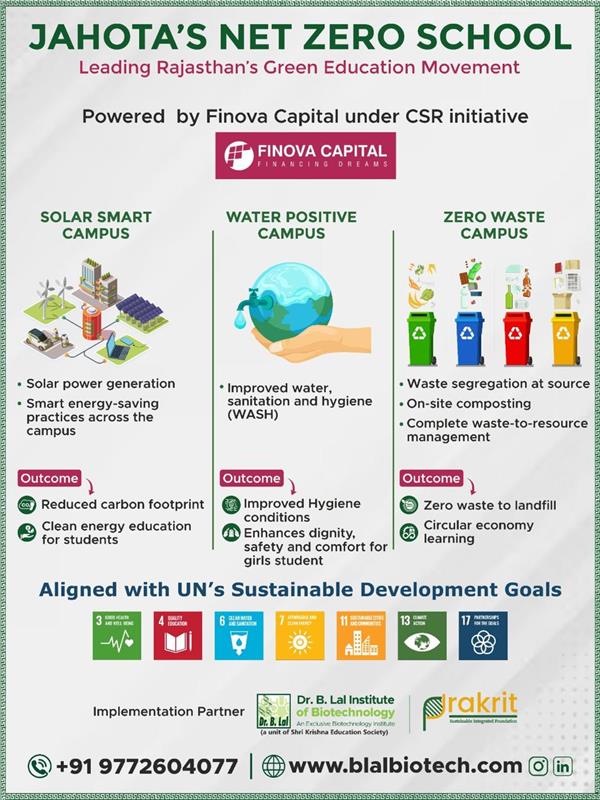
Jahota's Net Zero School - Leading Rajasthan's Green Education Movement

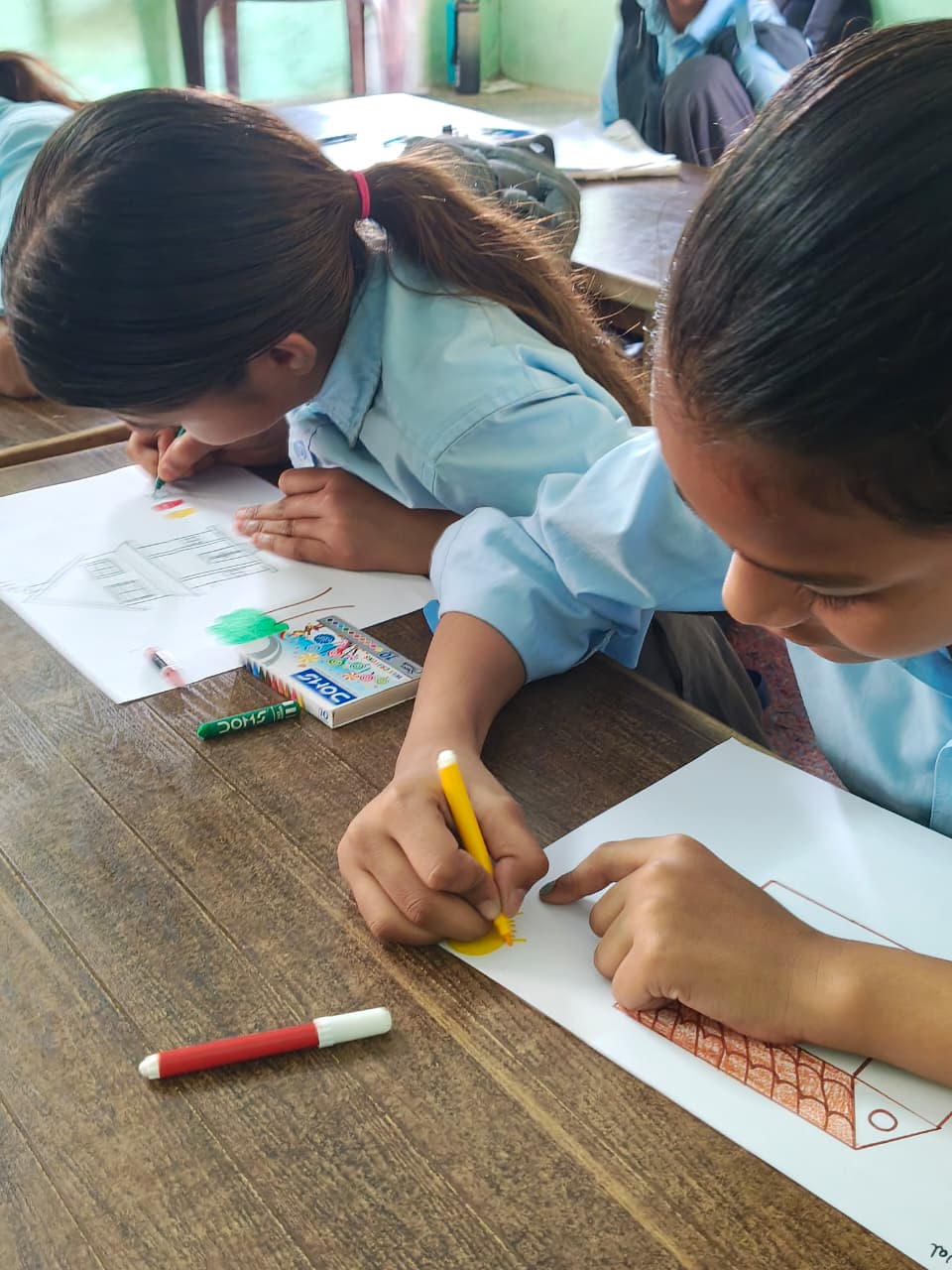
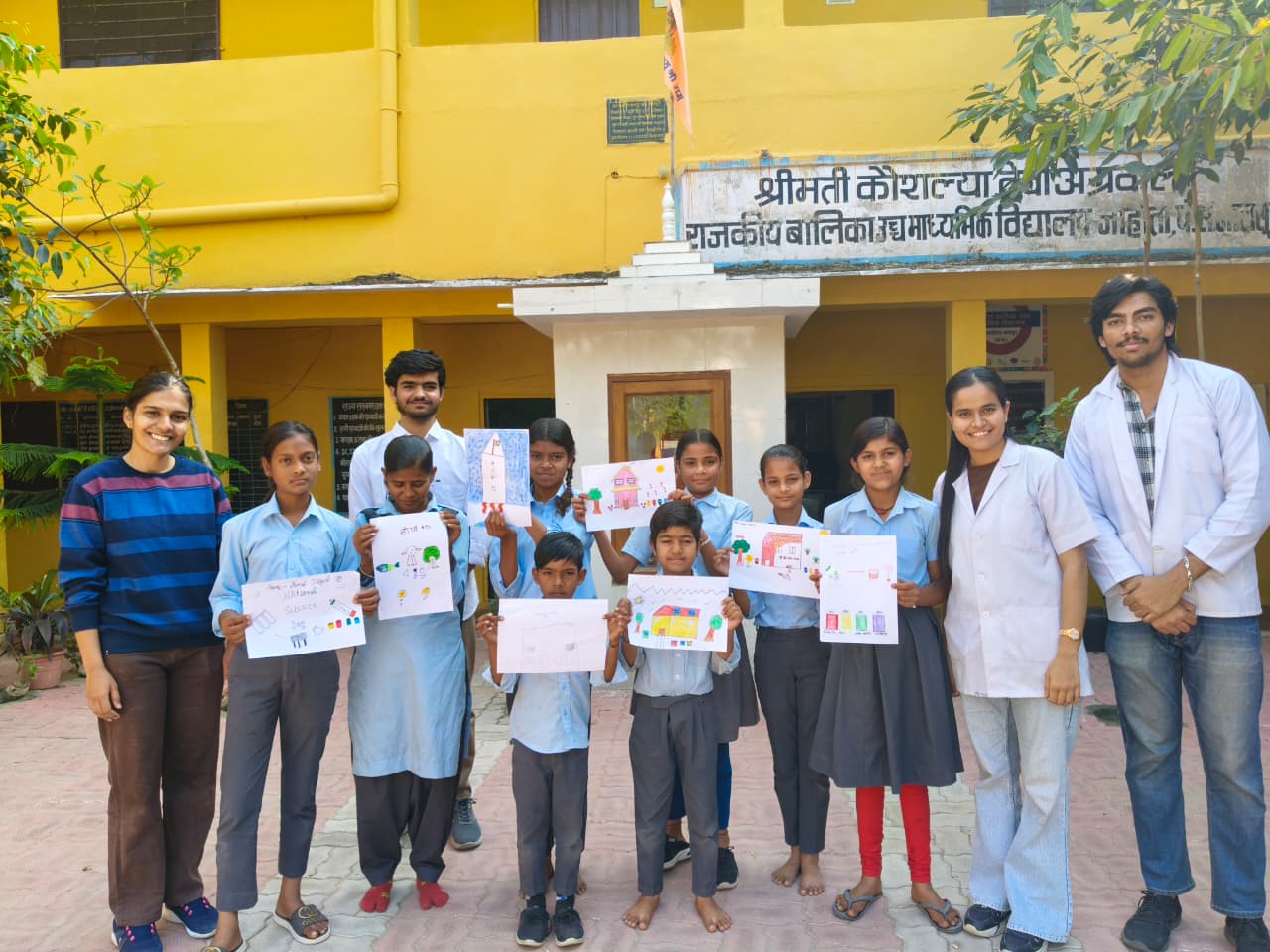
Developing Net Zero Schools in Shreemati Kaushalya Devi Agarwal Government Girls Senior Secondary School, Jahota, Panchayat Samiti Jalsu, Jaipur School as Models for Waste, Water, and Energy Sustainability in Rajasthan

About the Project

In light of the pressing environmental challenges faced by government schools in Rajasthan, the concept of Net Zero Schools offers a transformative pathway. A Net Zero School is designed to balance waste, water, and energy systems, minimizing its ecological footprint while functioning as a living laboratory of sustainability.

These schools go beyond infrastructure—they actively engage students, teachers, and the wider community in hands-on climate action, fostering long-term behavioural change and environmental responsibility.

The overarching goal of this initiative is to develop schools as centres of environmental excellence and experiential education, where sustainability is not only taught but practiced through integrated systems of waste management, water conservation, and clean energy adoption.

As part of this vision, the CSR-supported project has been implemented at
Shreemati Kaushalya Devi Agarwal Government Girls Senior Secondary School, Jahota (Jaipur) as a demonstration model for practical, scalable sustainability solutions.

The project is supported by Finova Capital, implemented by Shri Krishna Education Society, and technically guided by Dr. B. Lal Institute of Biotechnology in collaboration with Prakrit.

This initiative sets the foundation for a replicable Net Zero School model across Rajasthan, showcasing how integrated, community-driven approaches can deliver measurable environmental and educational impact.

Project Duration: 2025–2026

This initiative directly contributes to the United Nations Sustainable Development Goals (SDGs), particularly:

SDG 4 | SDG 6 | SDG 7 | SDG 11 | SDG 12 | SDG 13
 

Objectives-

  1. Solar Smart Campus
  2. Water Positive Campus
  3. Zero Waste Campus


Join Together For Charity

.

More campaign

  • Zero Waste Campaign

    Project Zero Waste Village: Transforming Aandhi Village


    At Prakrit Foundation, we're committed to creating a sustainable future, and our latest initiative, Project Zero Waste Village in Aandhi, exemplifies this mission. We're transforming Aandhi village into a model of sustainability by implementing cutting-edge technologies:

    - Vermifiltration: Utilizing nature's best decomposers, we treat wastewater effectively and sustainably.
    - Constructed Wetlands: Through phytoremediation, we're naturally treating sewage, creating a cleaner environment, this will help in pond      rejuvenation and revitalizing local water bodies to support a thriving ecosystem.

    - Solid Waste Management: We're composting organic waste to enrich the soil and recycling non-biodegradable waste to minimize environmental impact.

    Expanding Our Vision: Zero Waste Campuses

    • Comprehensive Waste Management:

      • Solid Waste Composting: Organic waste is transformed into nutrient-rich compost, reducing landfill contribution.
      • Vermifiltration Technology: Wastewater is treated using vermifiltration, ensuring clean water reuse on campus.
      • Dry Waste Recycling: All dry waste is carefully segregated and sent for recycling, minimizing environmental impact and promoting circular economy principles.
    • Sustainable Infrastructure:

      • The campus infrastructure is constructed using waste materials, creating a beautiful and eco-friendly environment that stands as a testament to sustainability.
    • Active Student Involvement:

      • Sustainability Clubs: These student-led clubs are dedicated to promoting sustainability on campus. Members actively participate in and lead various initiatives to spread awareness and implement sustainable practices.

    Join us in our journey towards a zero waste future, where every action counts in building a cleaner, greener world.


  • Awareness Campaign

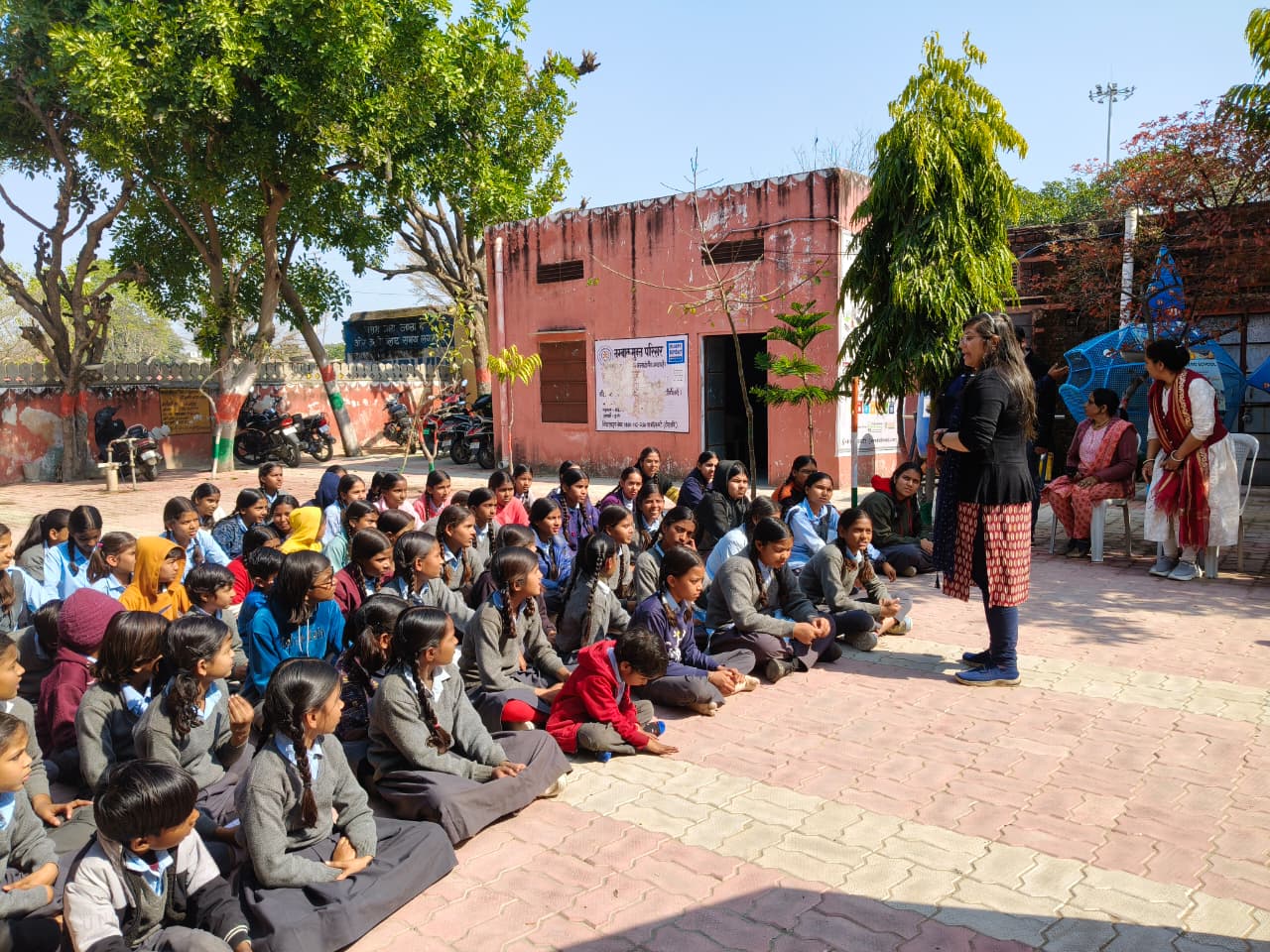
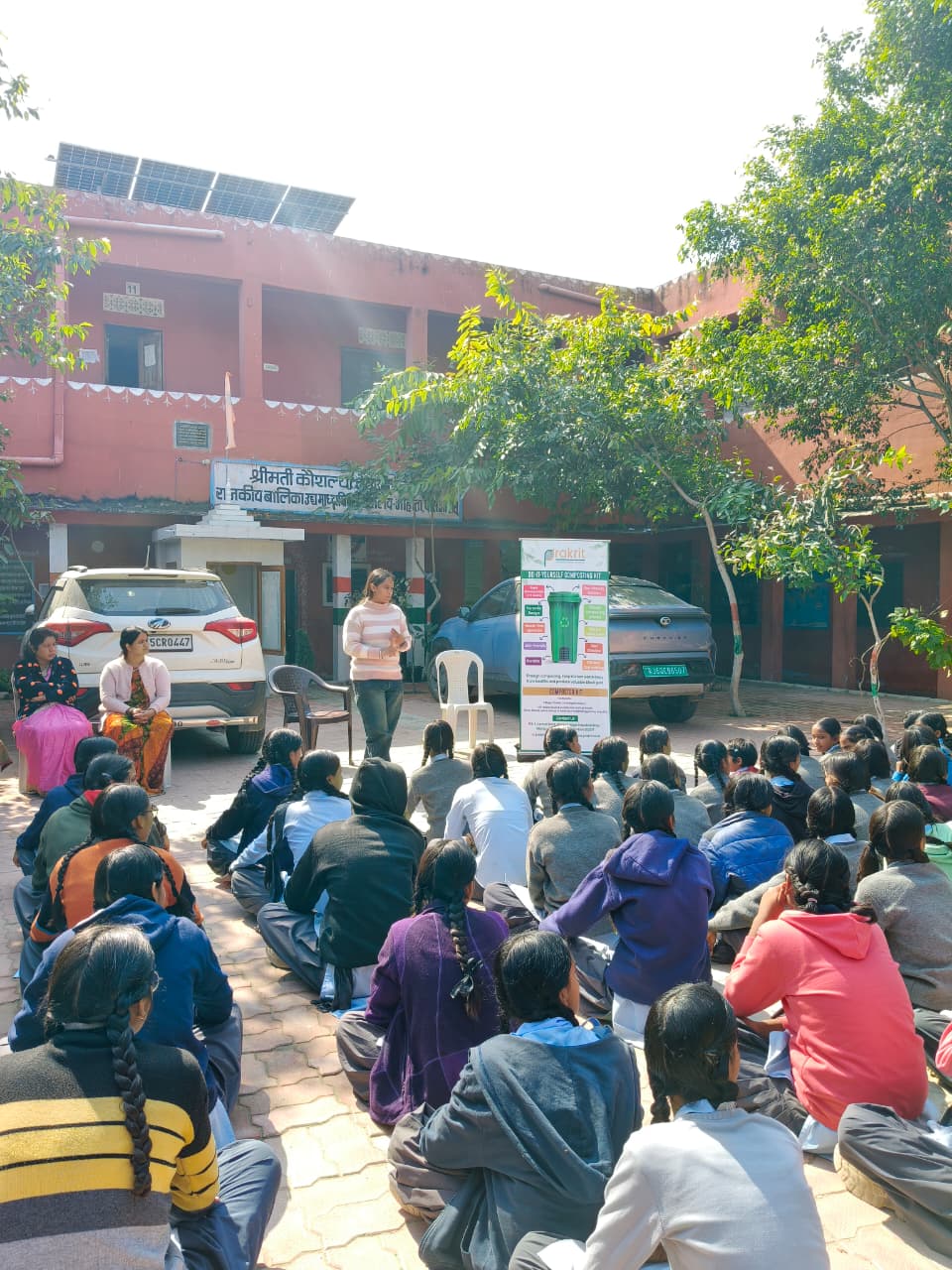
    Awareness is the first step toward transformation. The Awareness Campaigns are designed to educate, engage, and empower communities—especially youth—to adopt sustainable lifestyles and take informed action for the environment. These campaigns foster a culture of environmental responsibility through creative communication, participatory events, and on-ground activities.

    Objectives

    Promote Environmental Literacy: Bridge the knowledge gap about sustainability, climate change, and waste management.

    Mobilize Communities: Encourage collective action by engaging residents, students, institutions, and local authorities.

    Foster Behavioral Change: Use interactive tools and real-life examples to inspire long-term shifts in daily habits.

    Support SDG Implementation: Align all campaigns with the United Nations Sustainable Development Goals (SDGs).


    Campaign Themes

    Waste to Resource: Promoting waste segregation, home composting, and circular economy principles.

    Climate Action Now: Educating communities on climate change impacts and simple mitigation strategies.

    Plastic-Free Living: Spreading awareness about the harms of single-use plastics and promoting eco-alternatives.

    Water for All: Advocating for water conservation through rainwater harvesting and mindful usage.

    Green Celebrations: Encouraging eco-friendly practices during festivals, school functions, and public gatherings.
     

  • Sustainable Campus Progra

    The Sustainable Campus Programme is a transformative initiative aimed at embedding sustainability into the very fabric of educational institutions. It supports schools, colleges, and universities in becoming models of environmental responsibility through practical interventions, awareness campaigns, and student-led action.

    Objectives

    Environmental Literacy: Integrate sustainability concepts into academic and co-curricular activities to build ecological awareness.

    Youth Leadership: Equip students to take charge as sustainability champions within their campus and beyond.

    Sustainable Infrastructure: Promote eco-friendly practices such as composting, waste segregation, energy efficiency, and water conservation.

    Collaborative Action: Work in partnership with institutions, local communities, and environmental experts to create lasting impact.


Raise Hand Charity
Vision

To transform rural government schools into Net Zero campuses that integrate sustainable solutions in waste, water, and energy management, while embedding sustainability into everyday learning and behaviour.


Mission

To implement scalable, community-driven interventions that:

  • Promote clean energy adoption and resource efficiency
  • Enable zero waste and circular practices within school campuses
  • Strengthen water conservation and sanitation systems
  • Integrate experiential environmental education into classrooms
  • Empower students as eco-leaders and sustainability ambassadors


Key Project Interventions

  • Clean Energy:
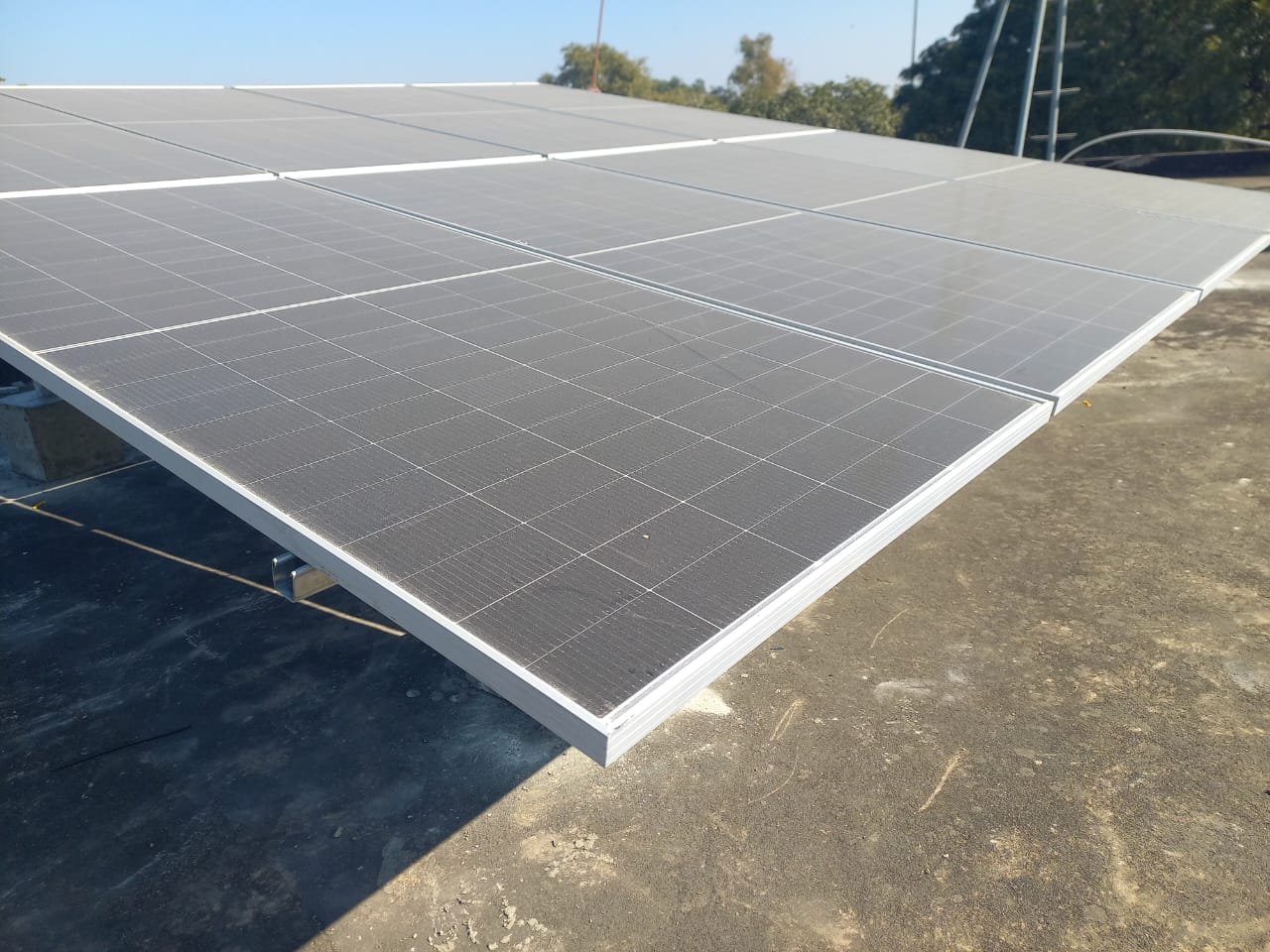
    Installation of rooftop solar systems to reduce grid dependency and promote renewable energy adoption
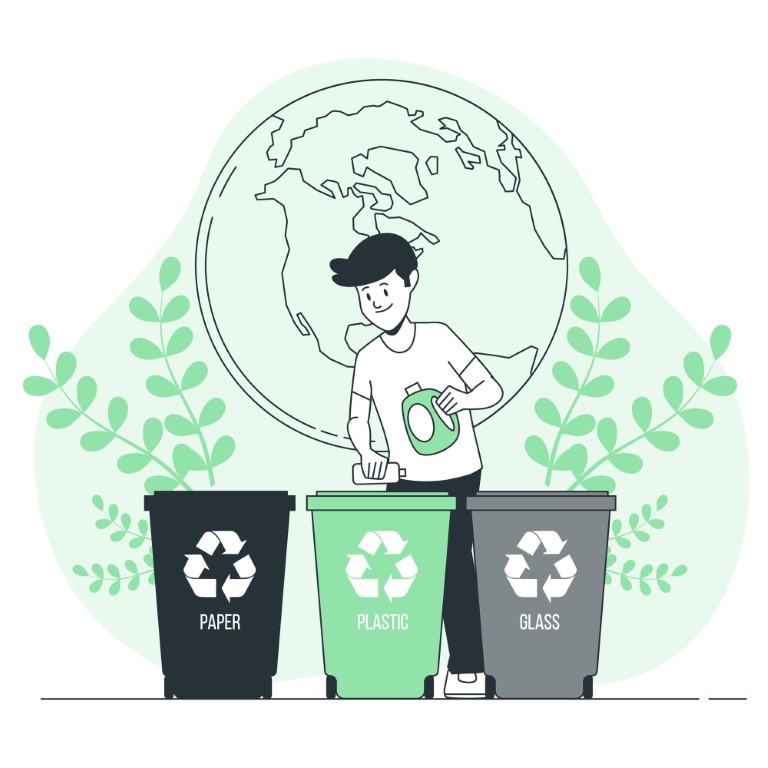
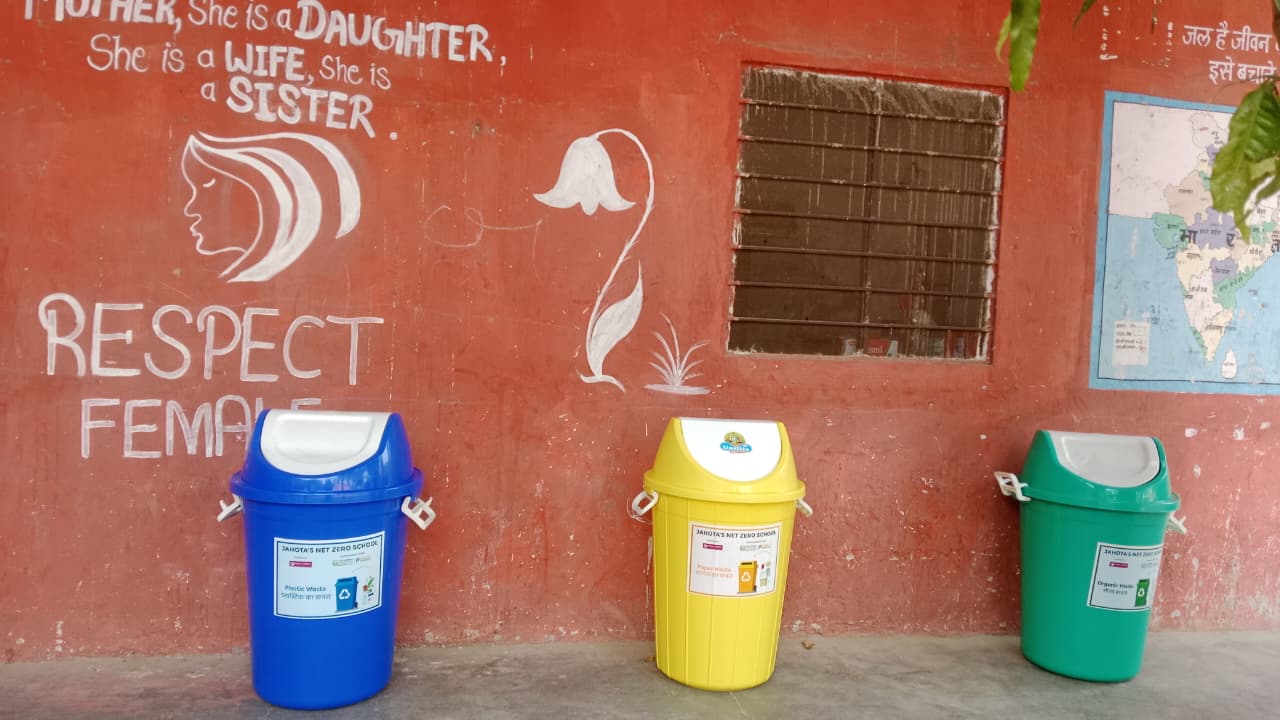
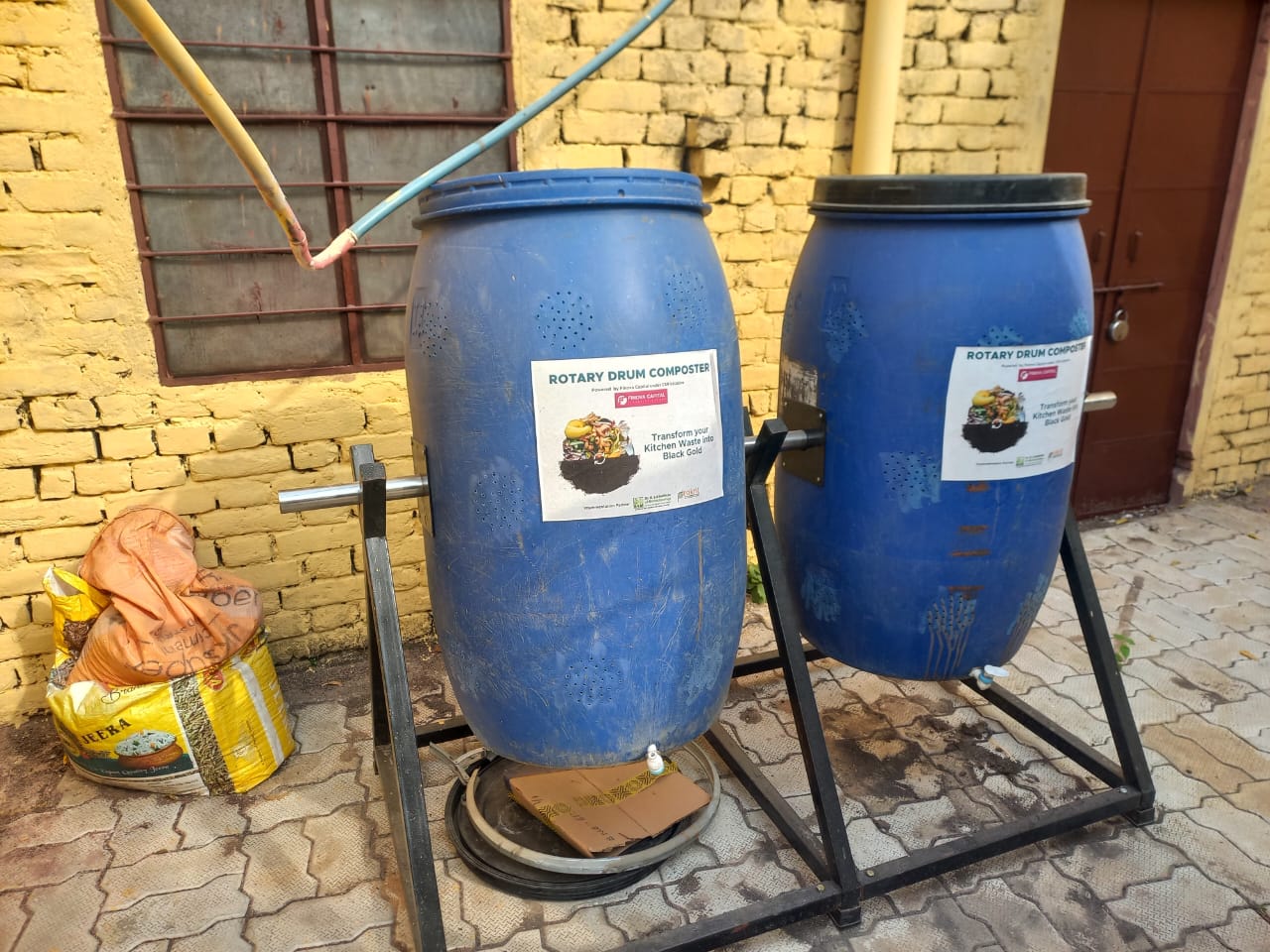
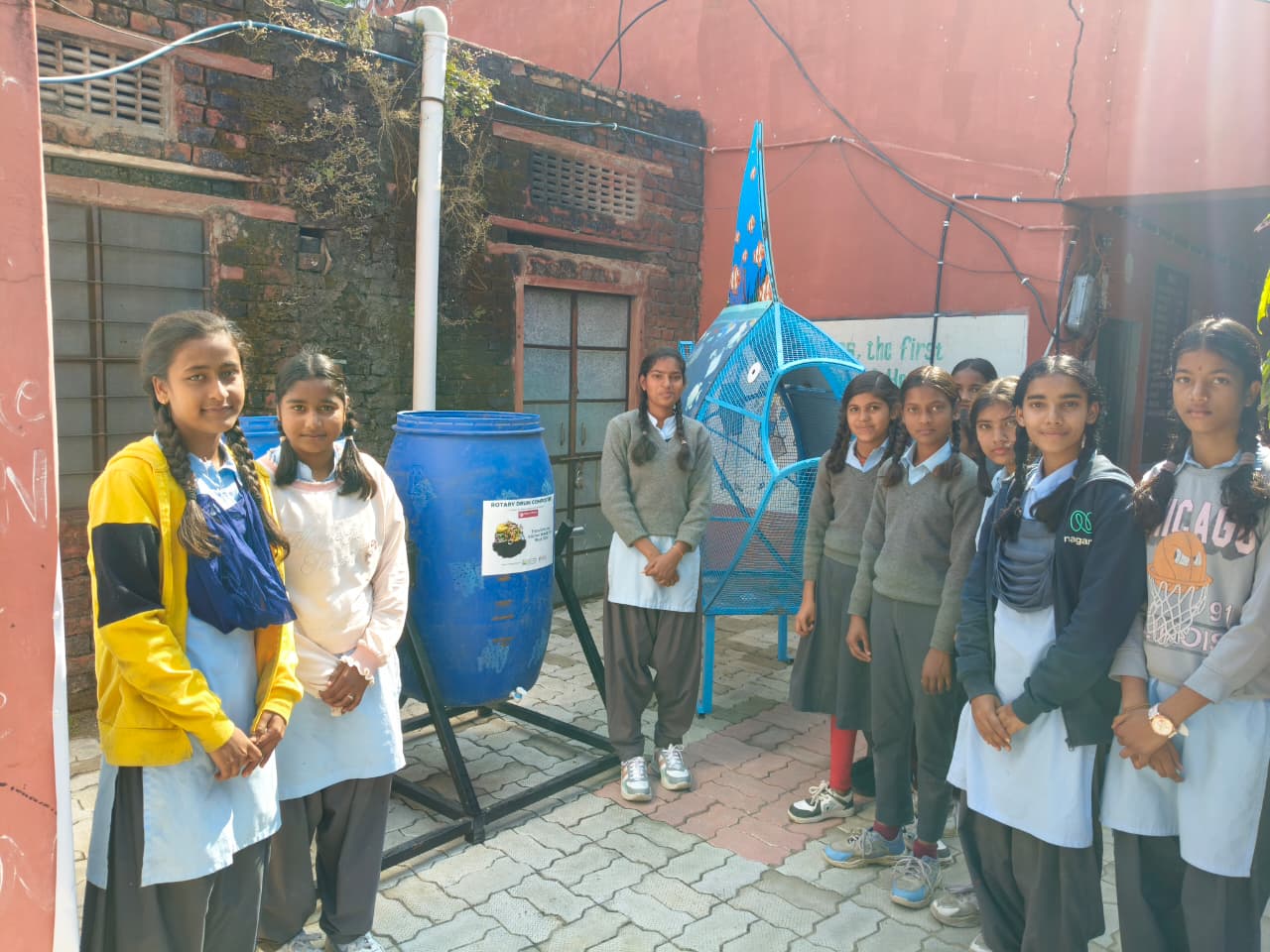
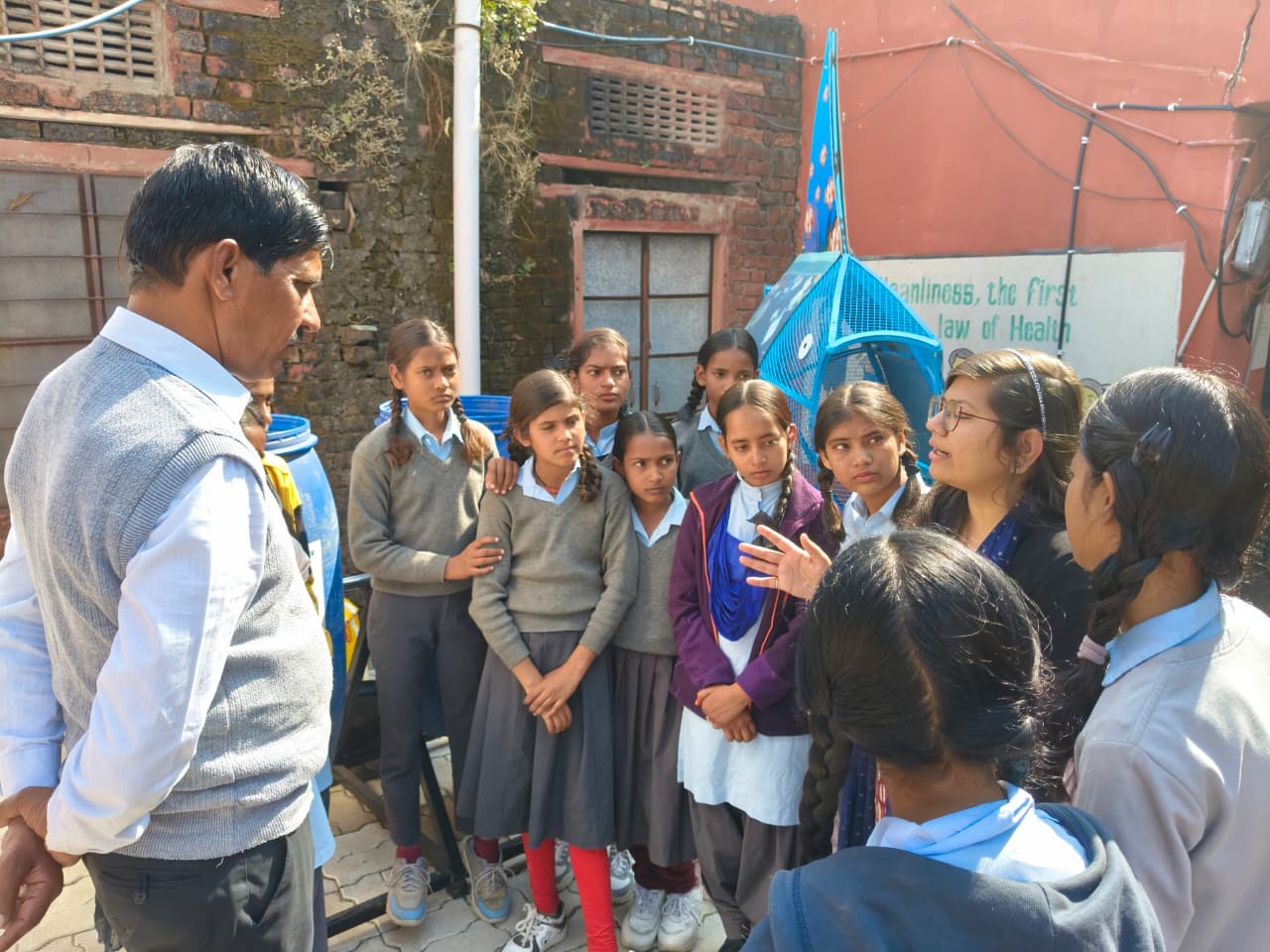
  • Zero Waste Systems:
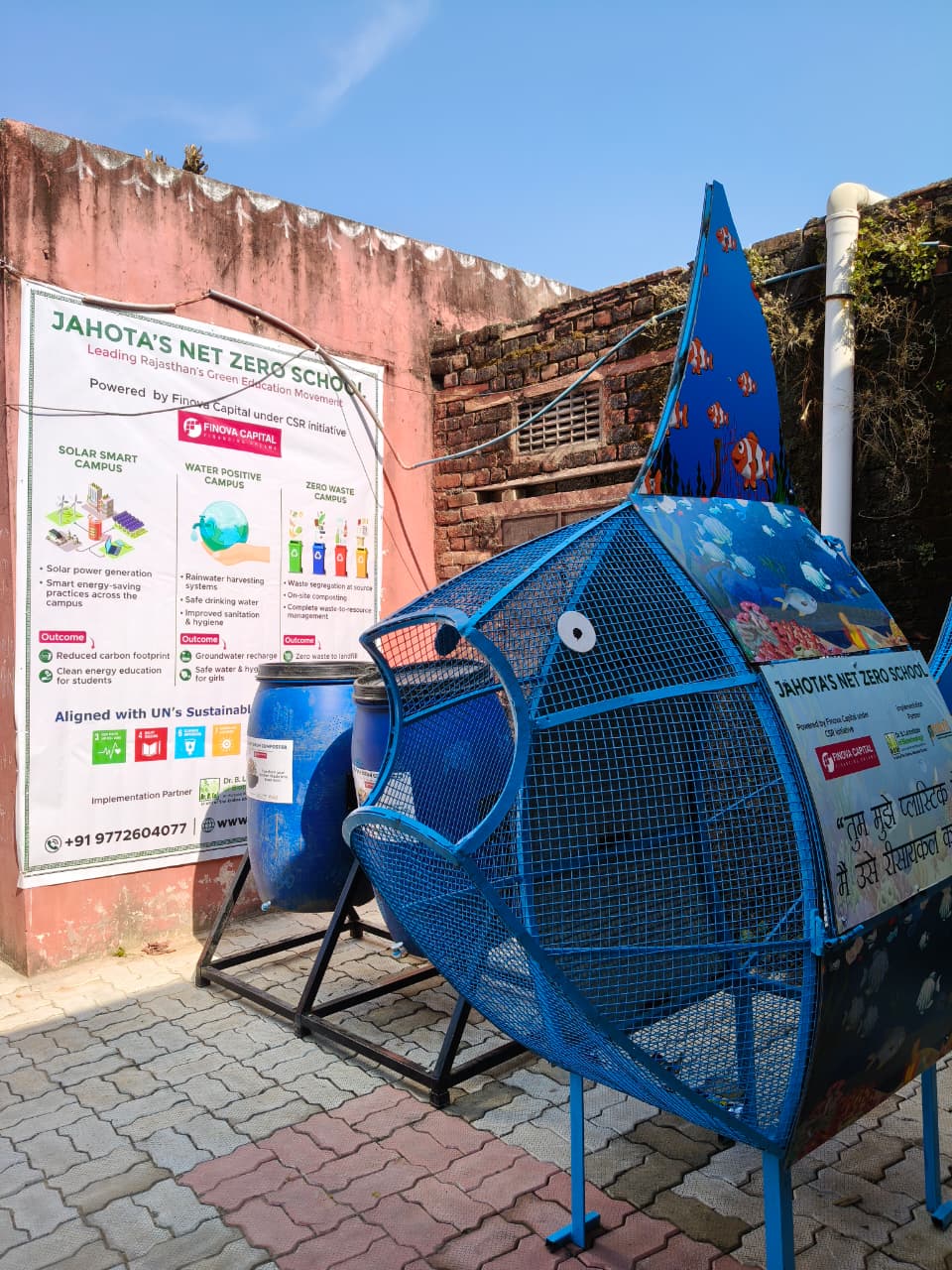
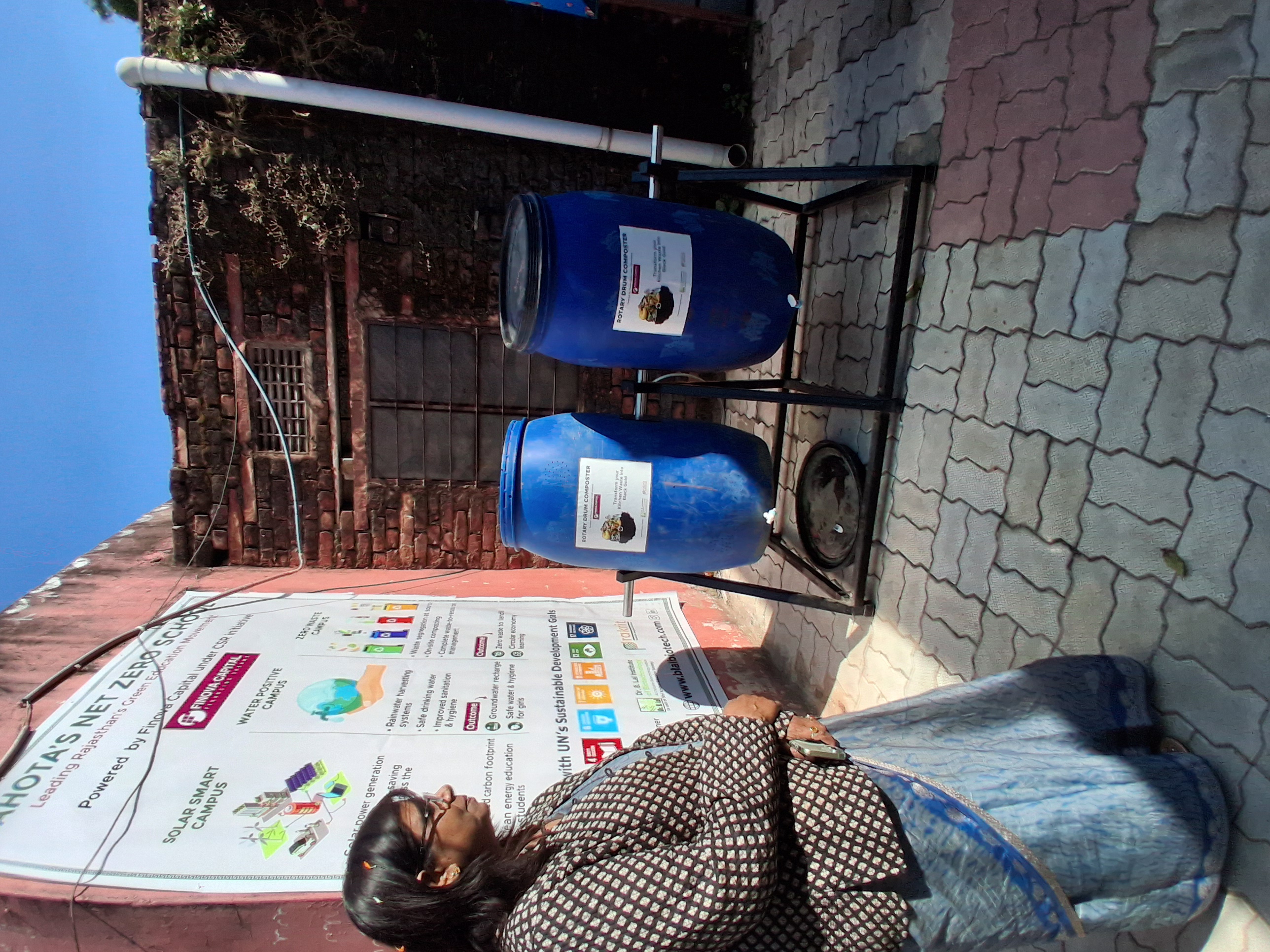
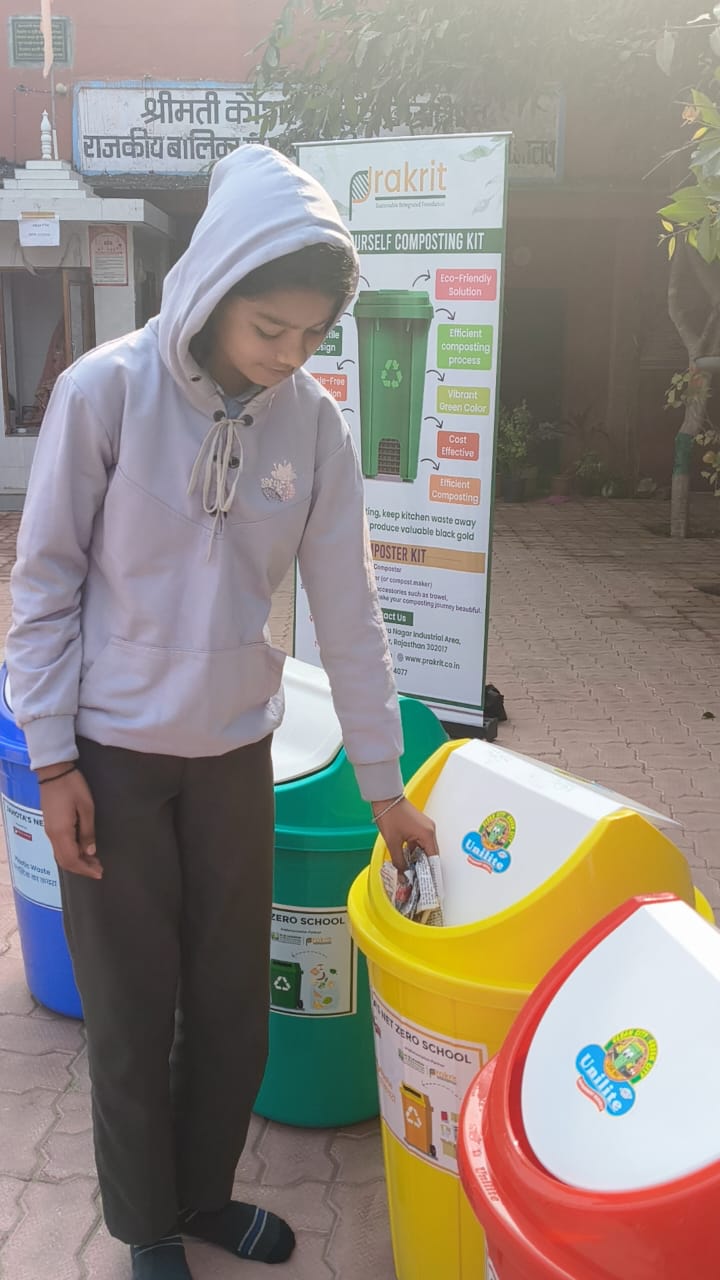
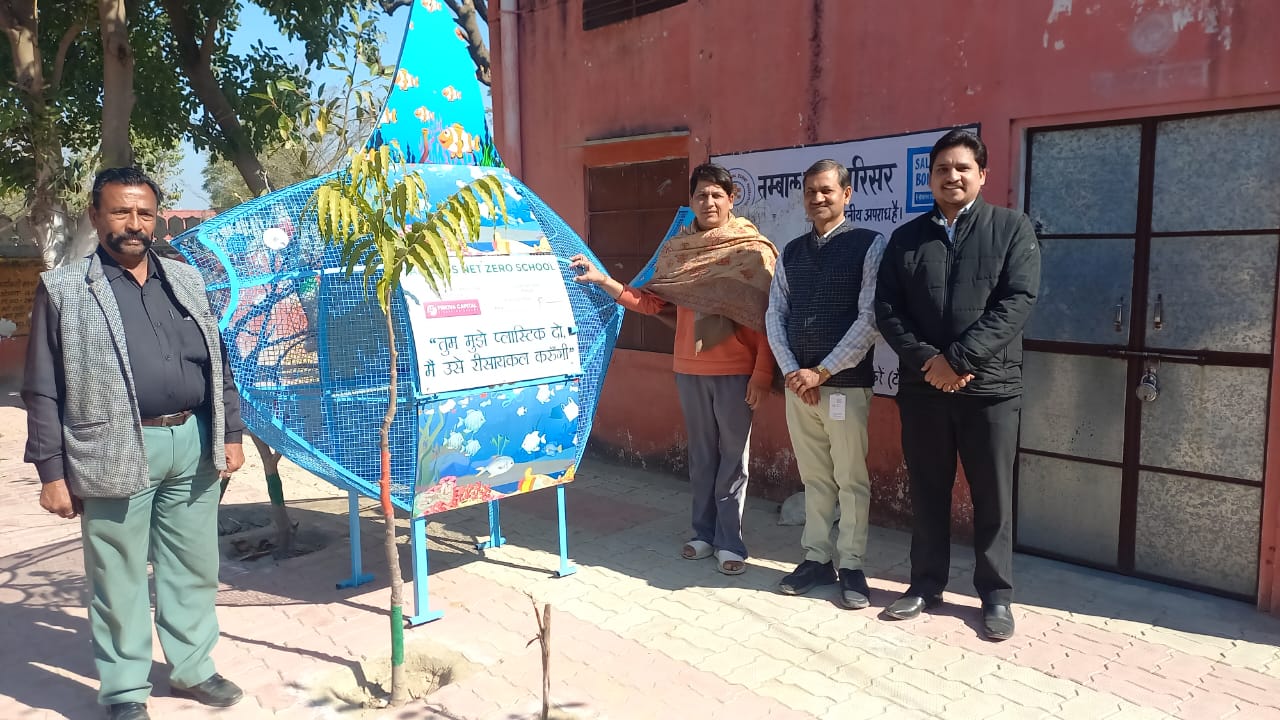
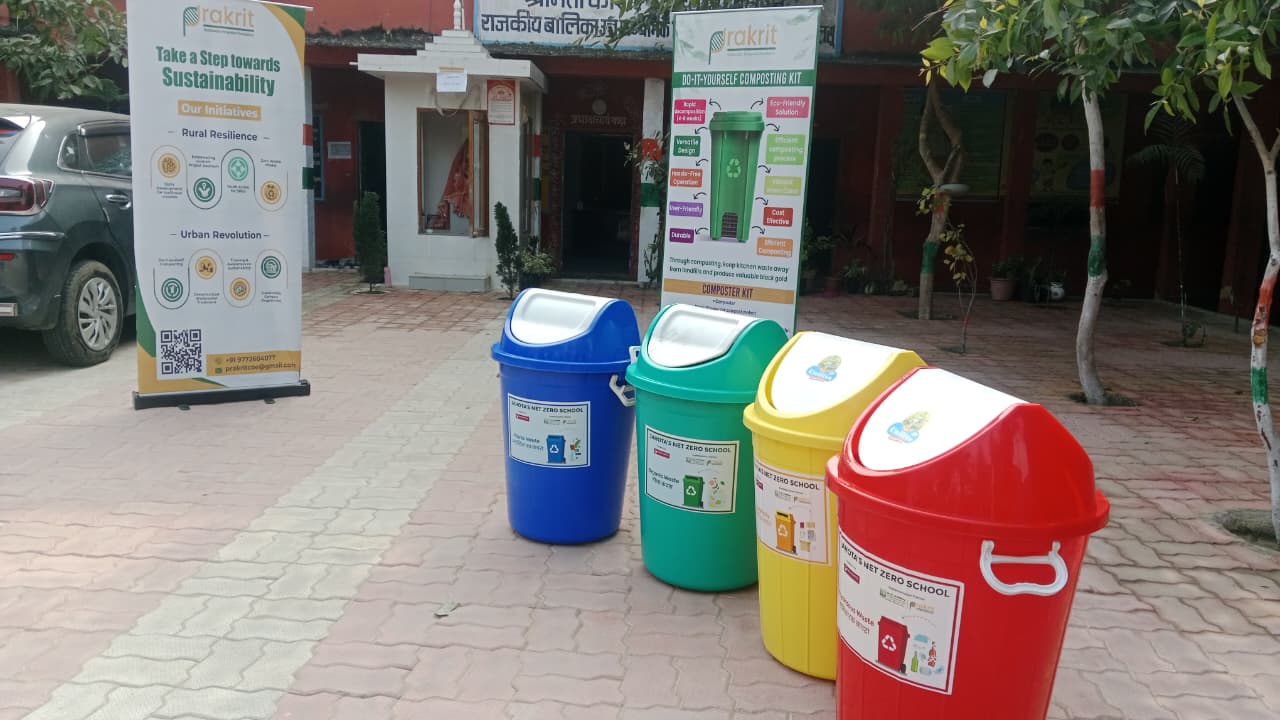
    Composters, segregation bins, plastic collection units, and sanitary waste incinerators enabling circular waste management
  • Water & Sanitation:
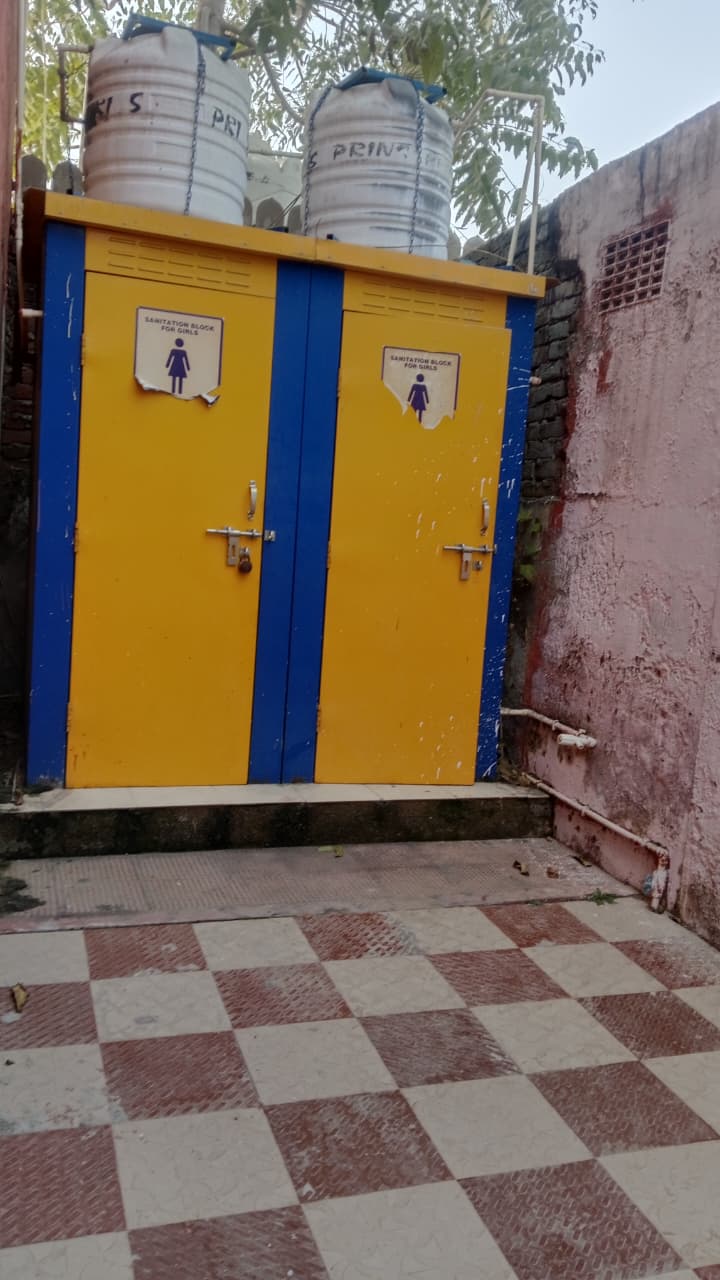
    Improved sanitation infrastructure ensuring hygiene, dignity for girls, and better health outcomes
  • Digital Enablement:
    Provision of computers and printers to enhance ICT-based learning and administrative efficiency
  • Infrastructure Upgrade:
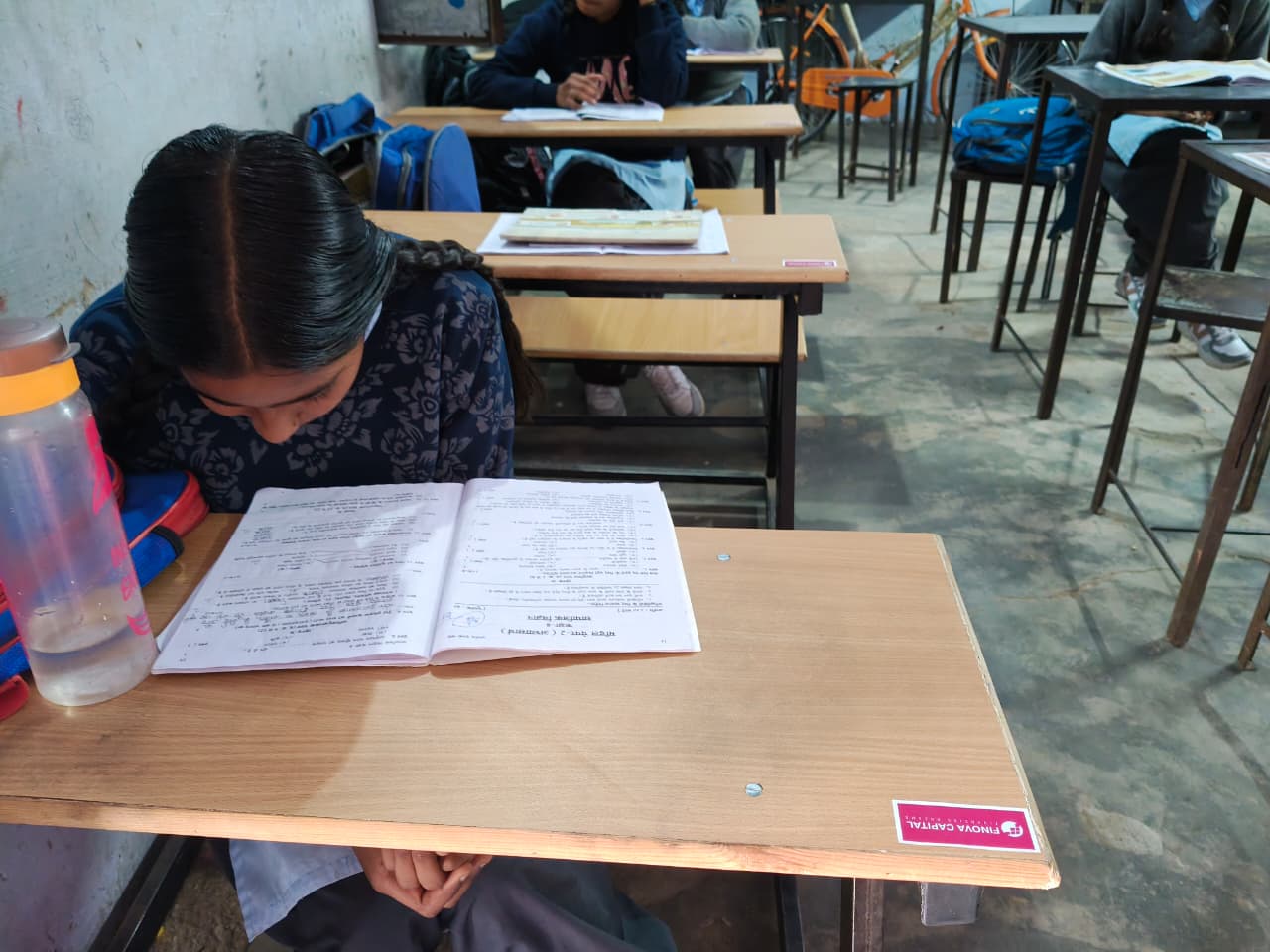
    Classroom furniture installation to improve learning comfort and engagement
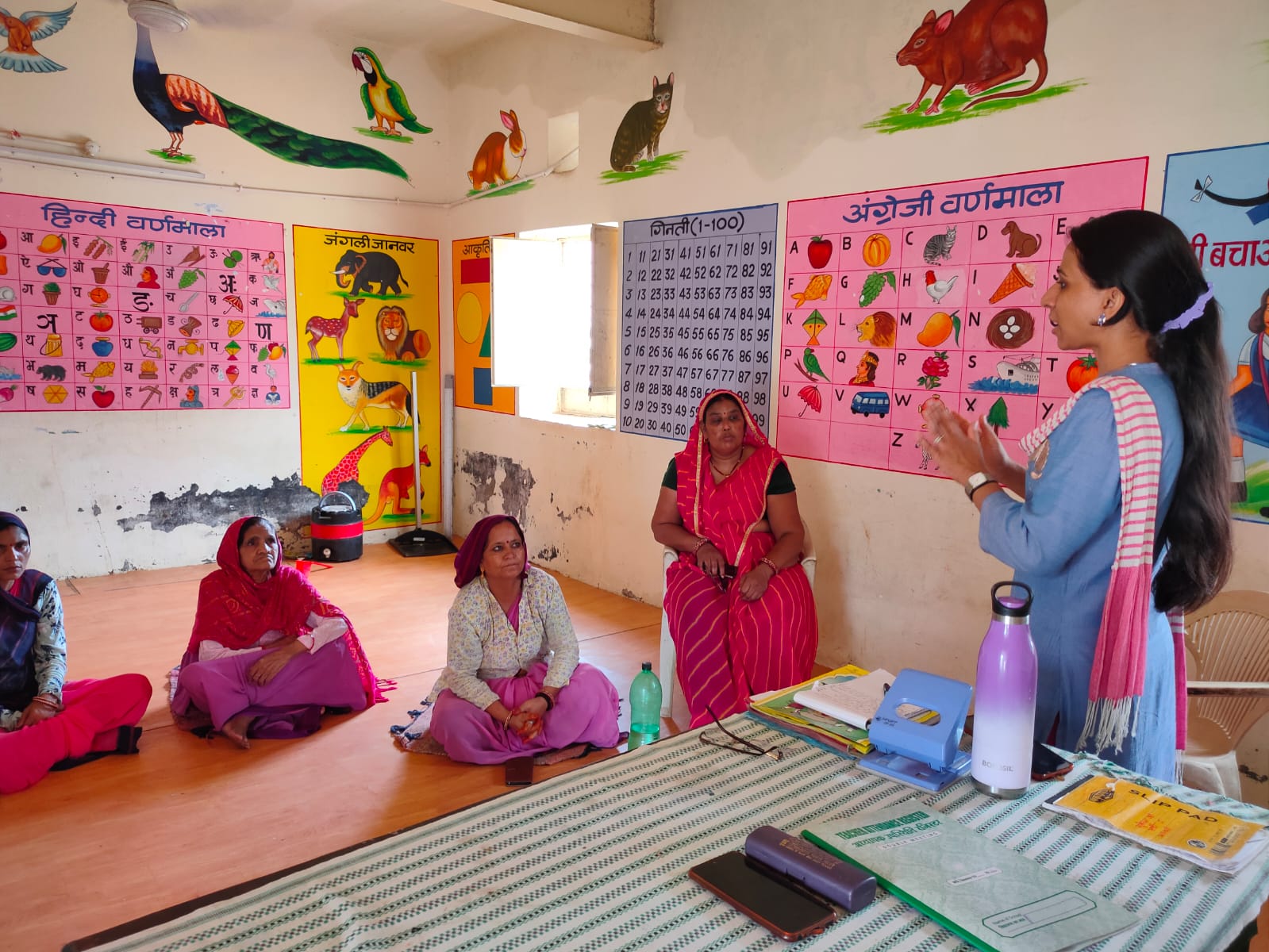
  • Awareness & Capacity Building:
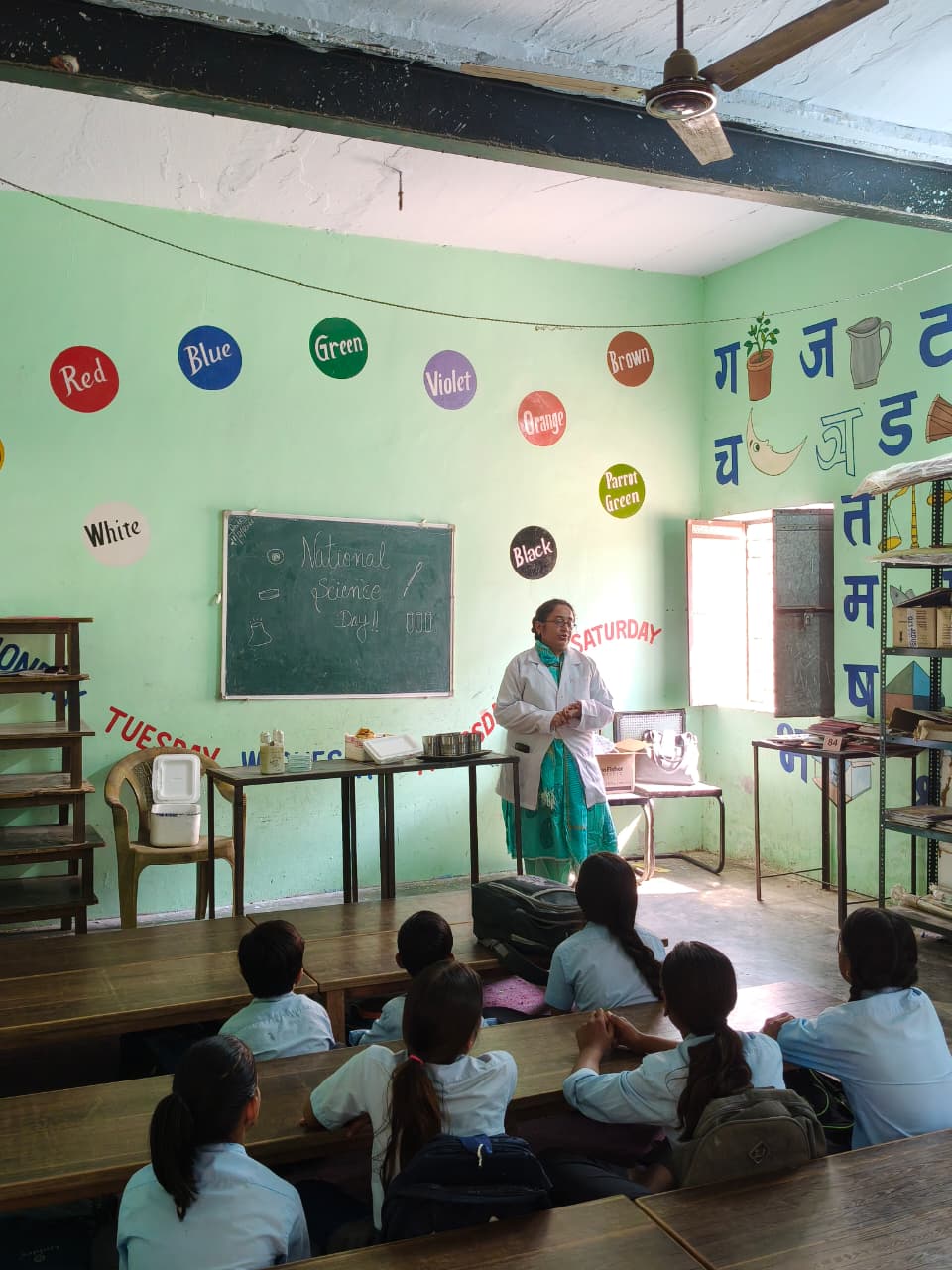
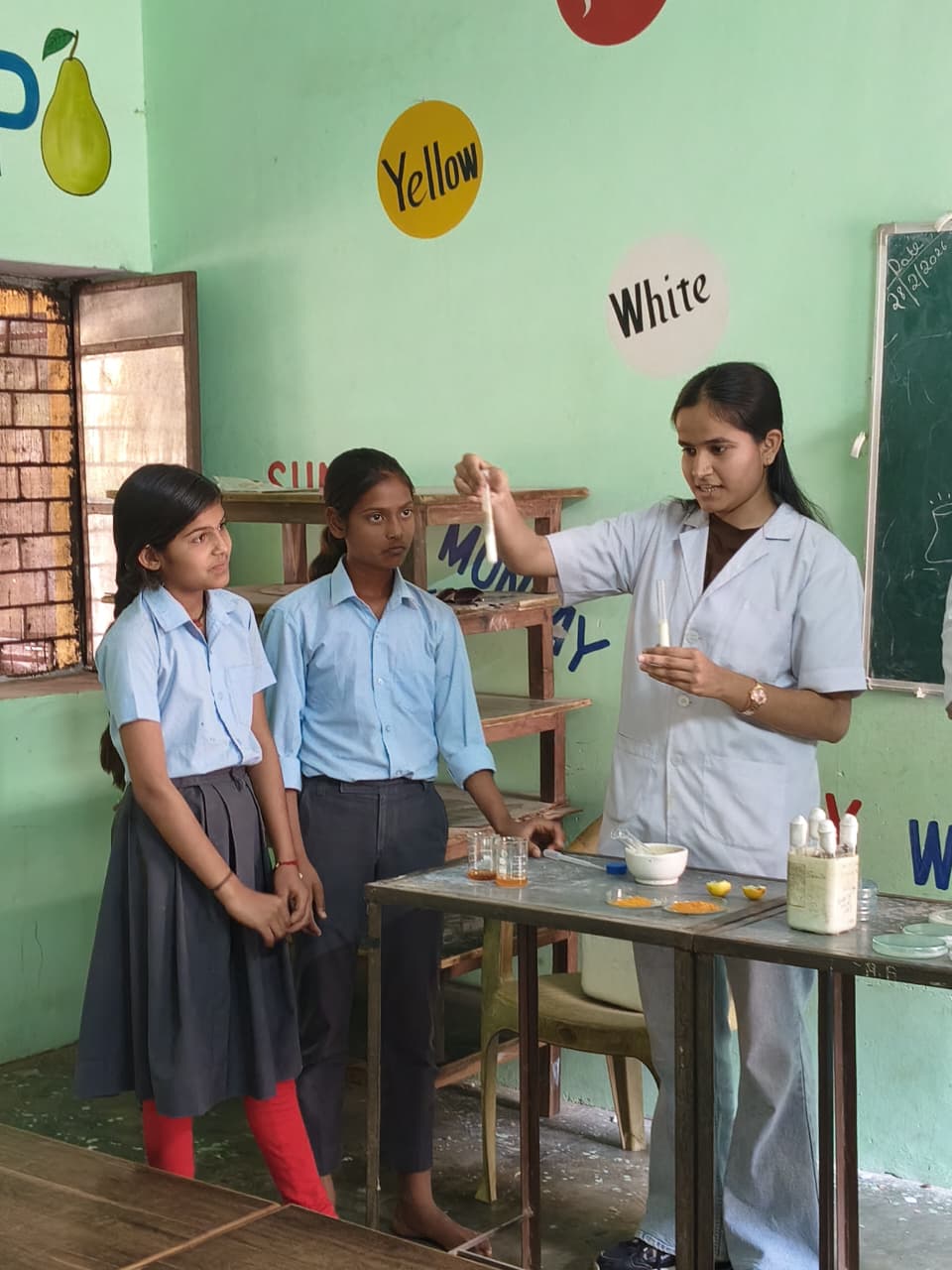
    IEC programmes on climate action, waste management, energy conservation, and sustainable lifestyles
  •  Campus Beautification:
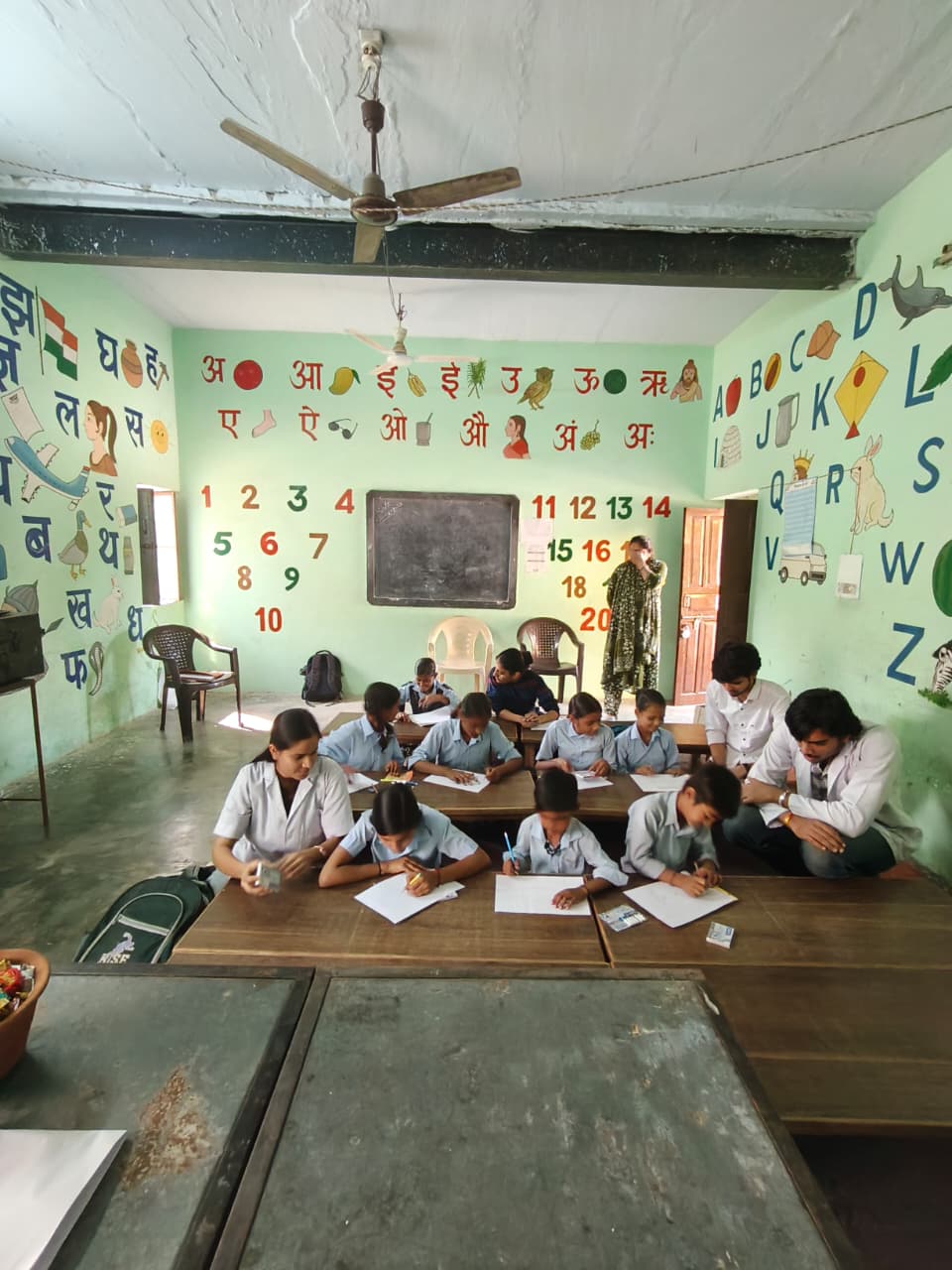
    Wall painting and campus improvements creating a clean, motivating, and environmentally conscious space


Project Impact

  • Adoption of renewable energy through solar systems
  • Functional waste segregation and composting systems established
  • Improved sanitation and menstrual hygiene management
  • Enhanced digital learning infrastructure
  • Upgraded classroom environment and facilities
  • Increased environmental awareness and behavioural change among students and teachers

This initiative demonstrates how CSR investments can create sustainable, climate-resilient educational ecosystems with long-term impact.


Partner With Us

This initiative showcases how strategic CSR partnerships can enable large-scale environmental and social transformation.

By partnering with us, you contribute to:

  • Climate-resilient school ecosystems
  • Empowered and environmentally conscious future generations
  • Measurable ESG and CSR impact on ground